
Pioneering the Future

of Computational Design and Spatial Information Infrastructure

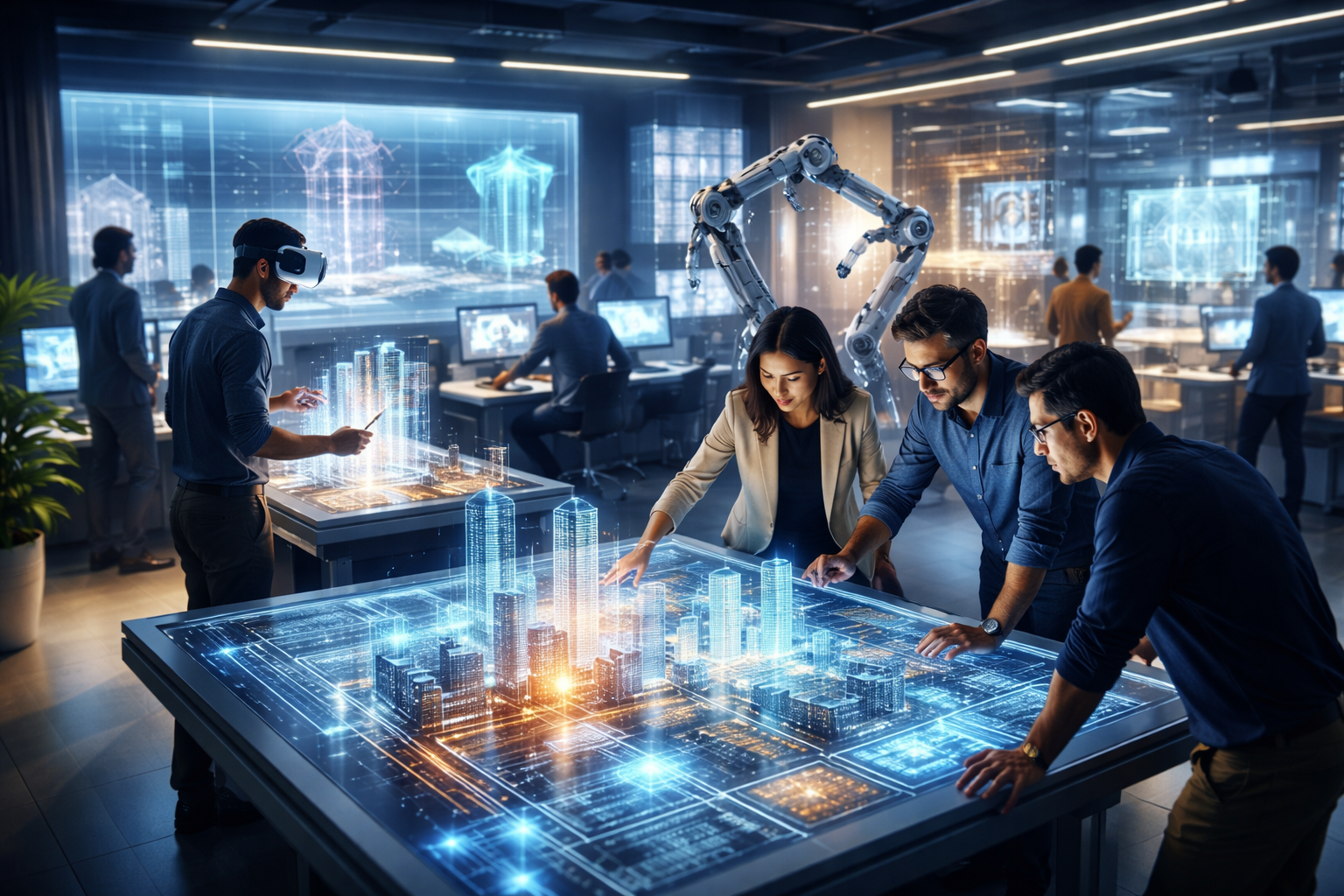
Digital Technologies empower our understanding of space, accelerate design iterations and inform design decisions, responding to the pressing challenge of developing more sustainable and ethical design solutions. The Digital Technologies Section brings together computational design and geomatics, proposing an integrated approach between context and design. Computational design focuses on computational methods for design ideation and development. Geomatics deals with collecting, abstracting, organizing, making available and visualizing multi-dimensional spatial and contextual data. Overall, we develop and apply computer technology to sense, represent, design, optimize and fabricate the built environment in an integrated way. Integrating computational design and geomatics enables new approaches in spatial decisions.

Computational design

Computational methods for design ideation, exploration, optimization and fabrication.

Read More

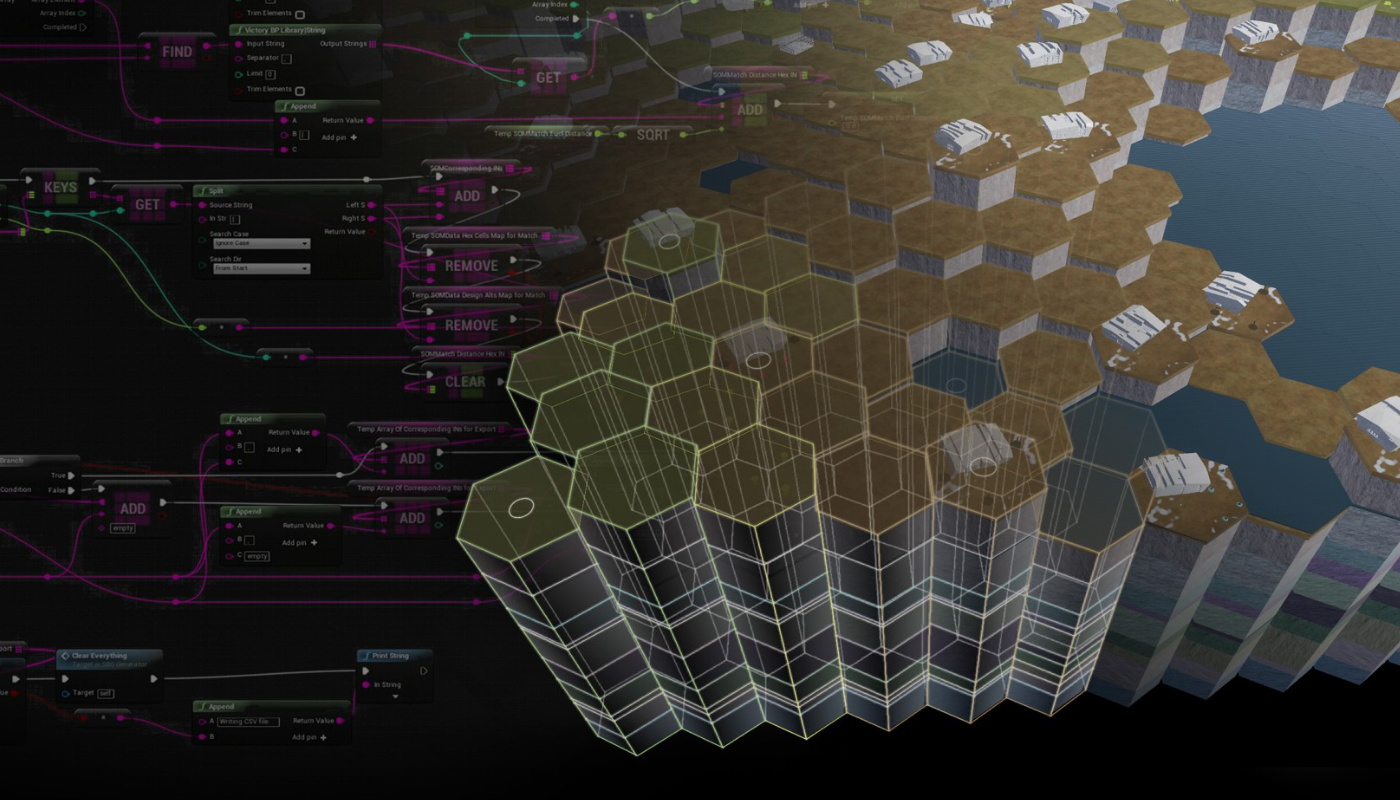
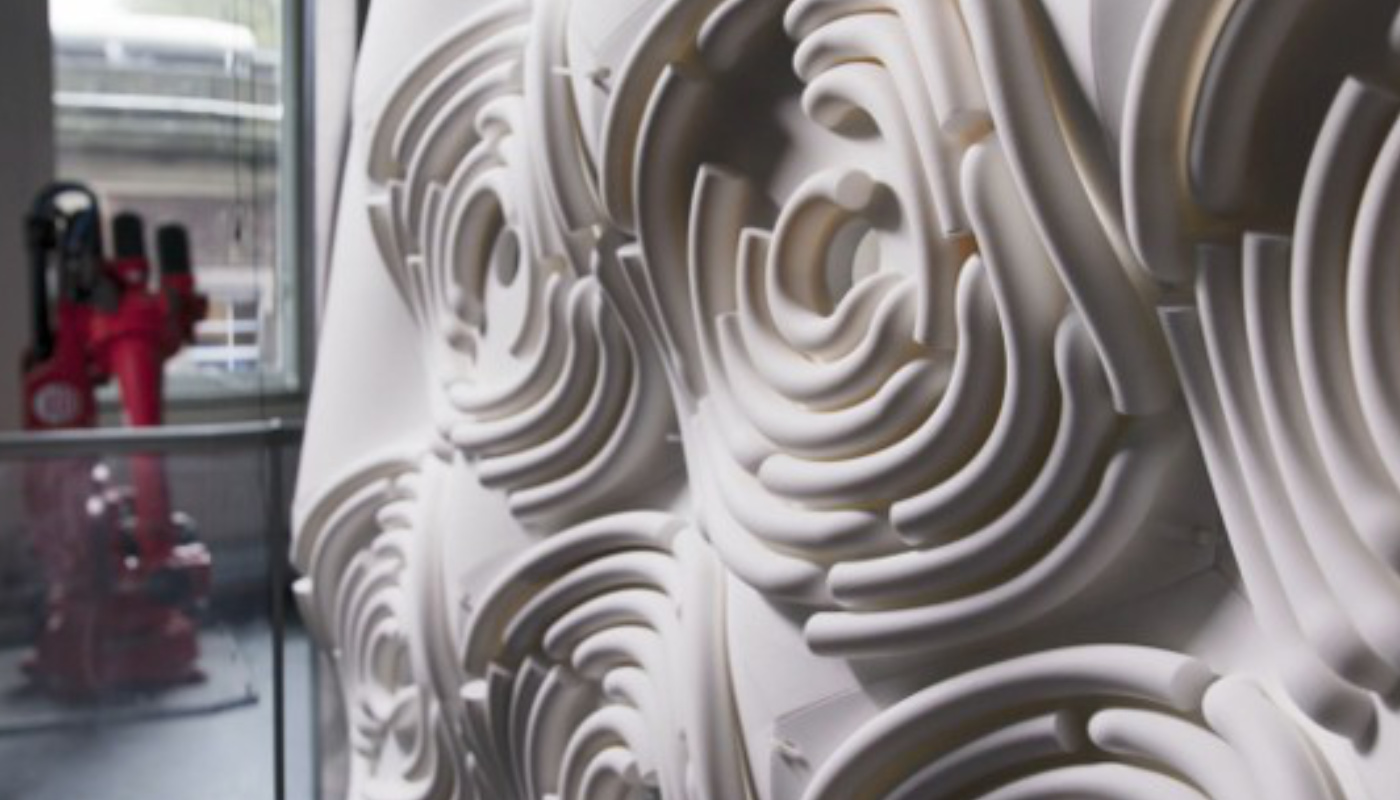
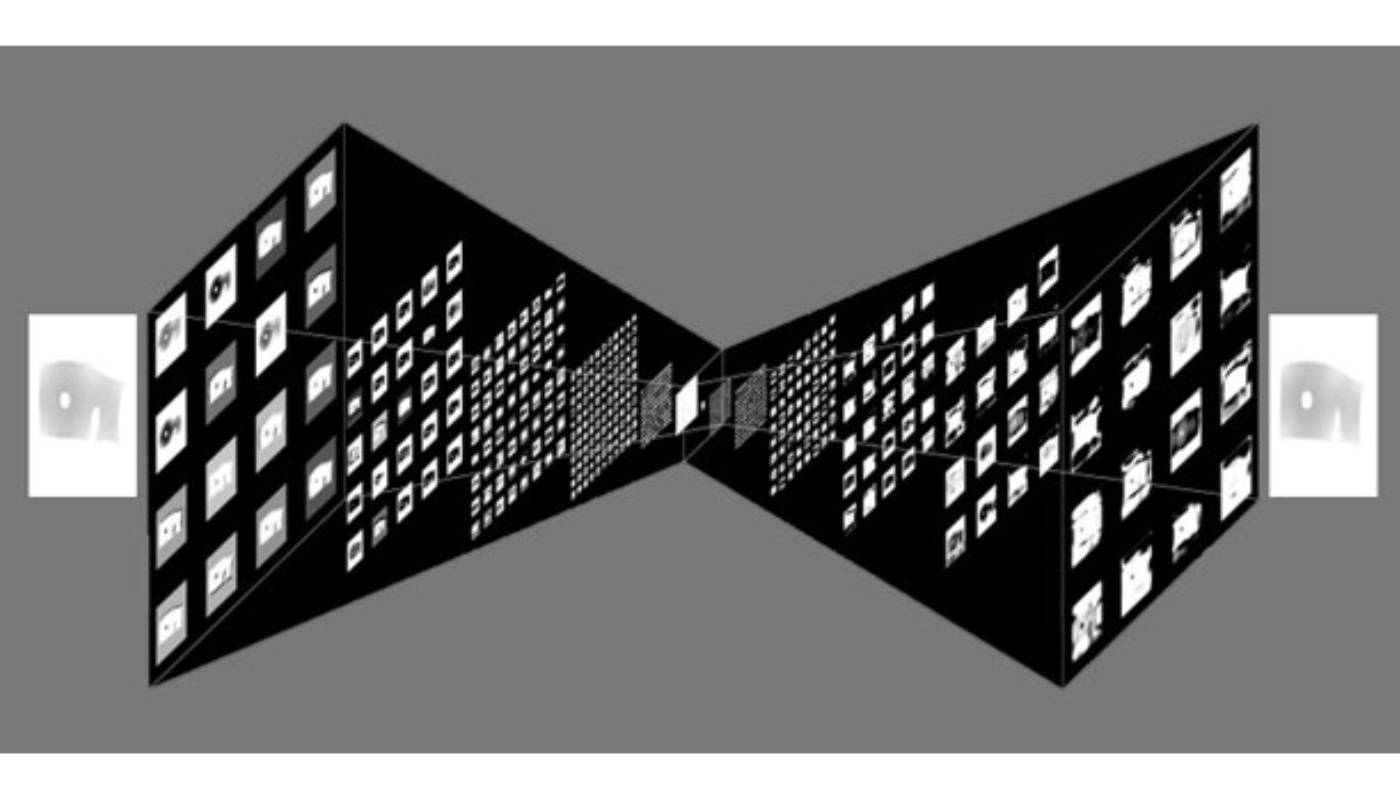
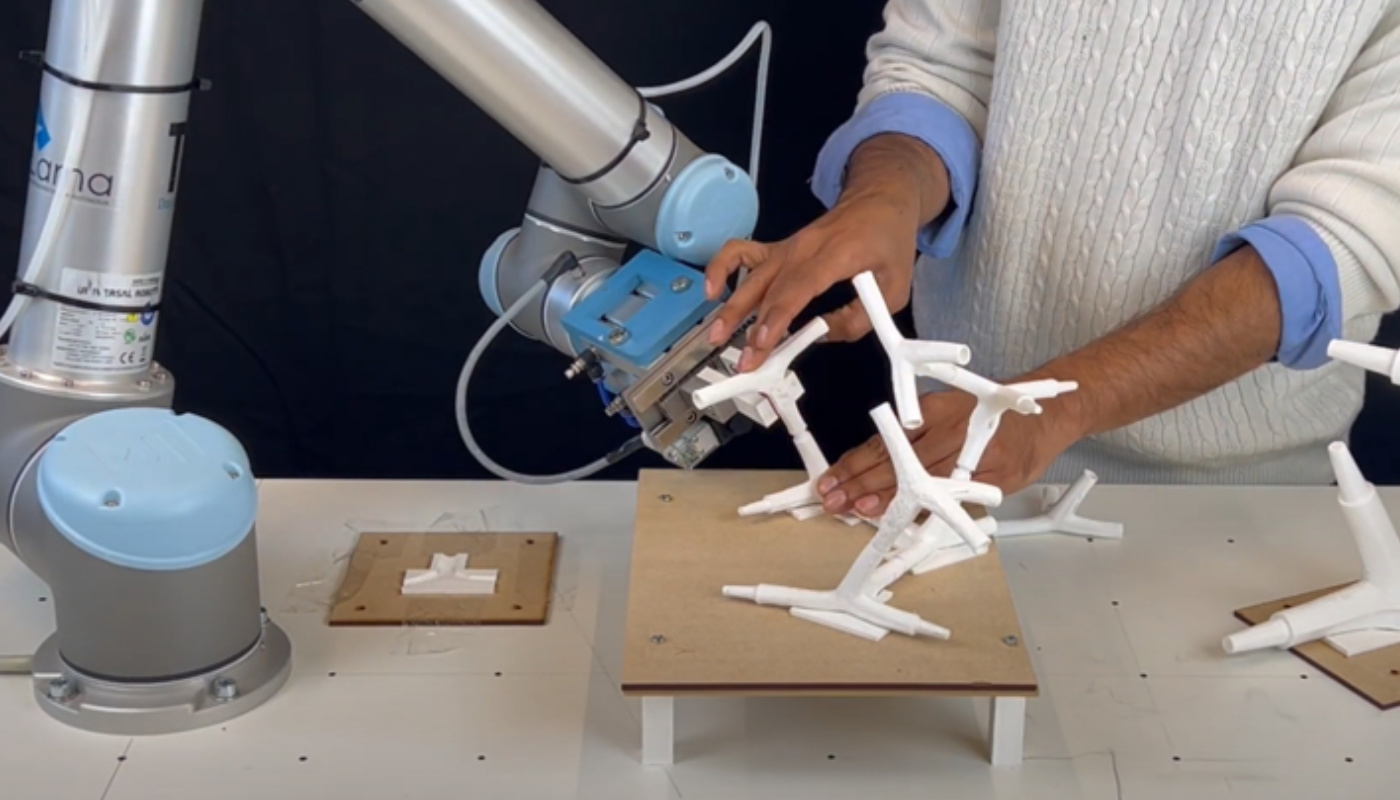
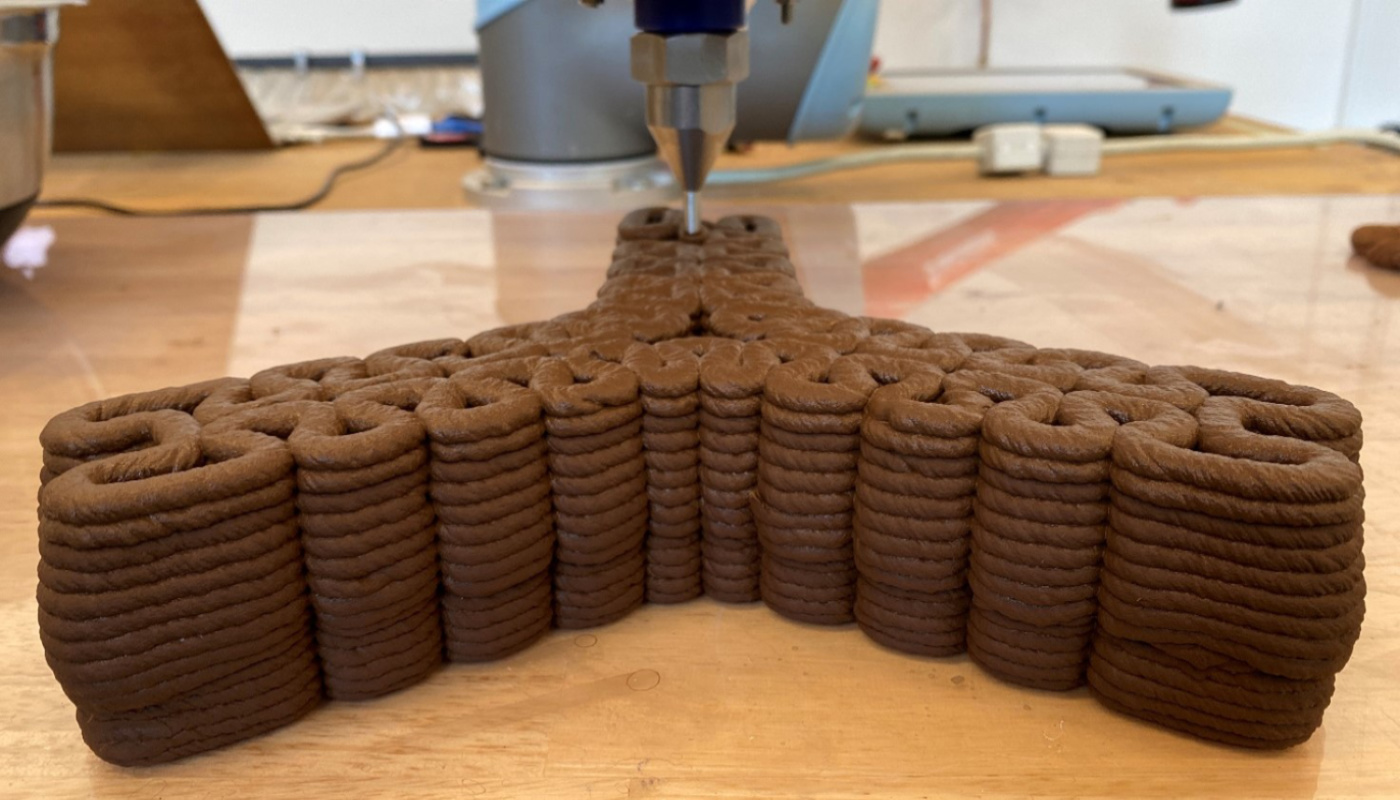
In computational design, we develop and apply novel computational methods that support the generation, exploration, optimization, and fabrication of design options. We create iterative workflows with various levels of semi-automation and/or interaction that inform design decisions from building component to district scale. We apply numerical and Artificial Intelligence techniques, and (robotic) digital fabrication methods, to inform and test design decisions. Our methods enable collaborative workflows that join human and digital agencies in decisions and co-creation processes, with a (more than) human-created approach.
Geomatics

Spatial data and infrastructure for modelling, dissemination, and decision-making support.

Read More

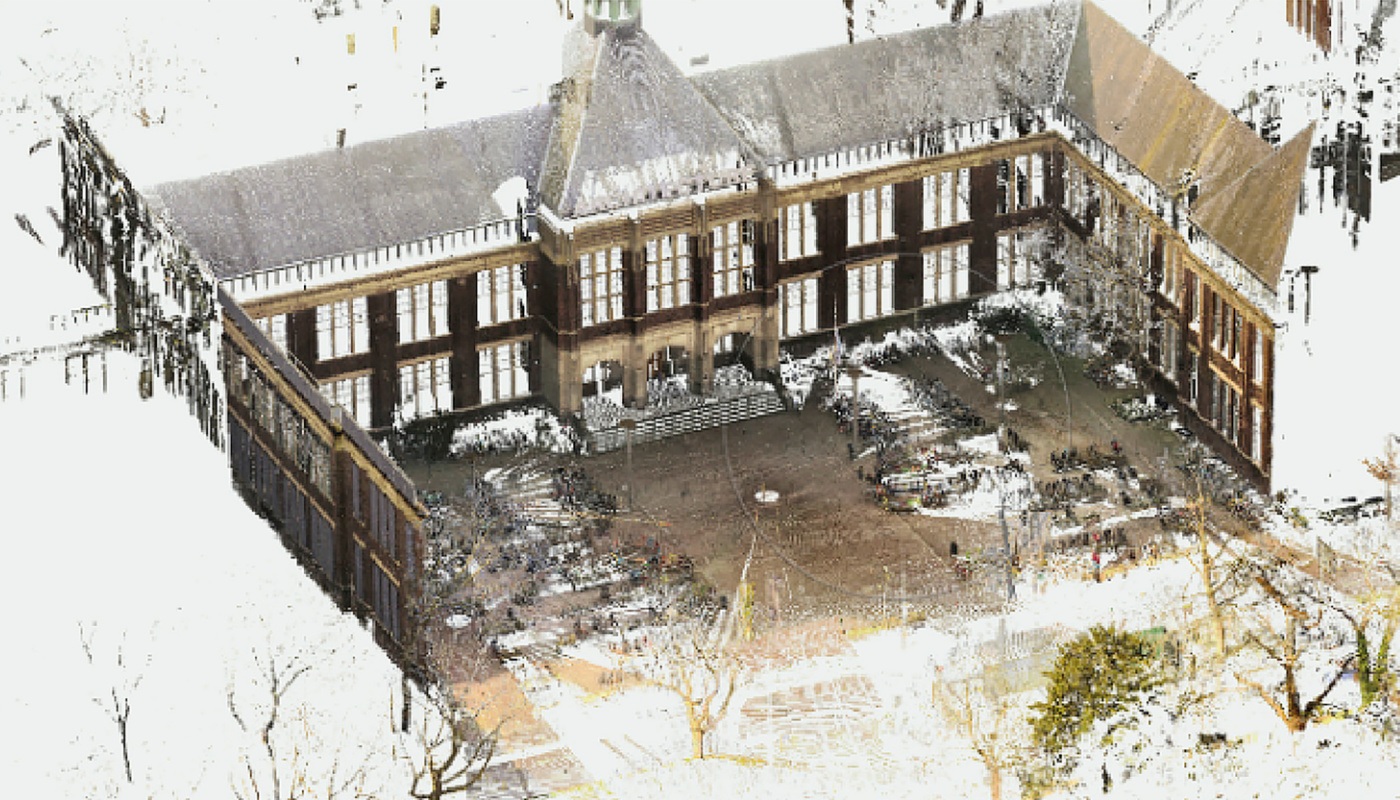
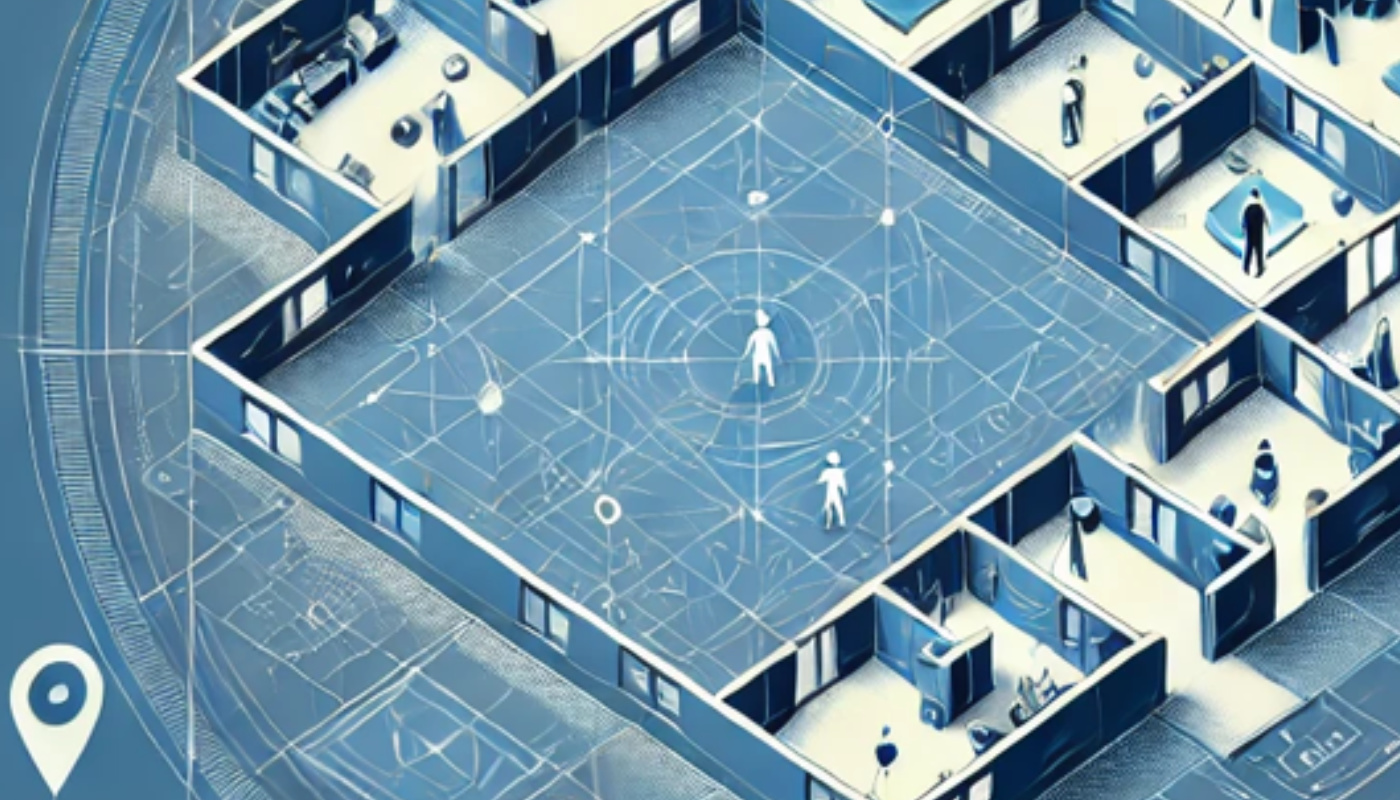
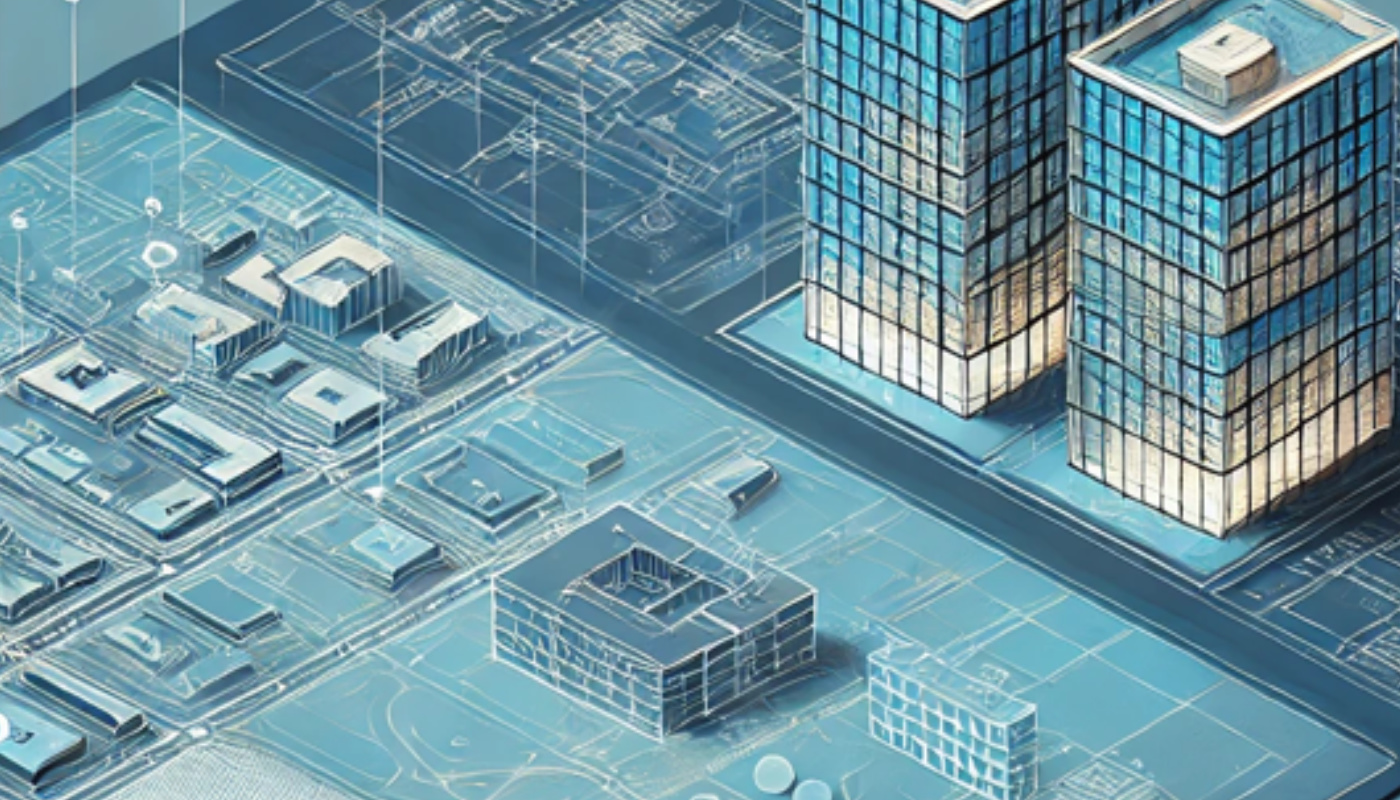
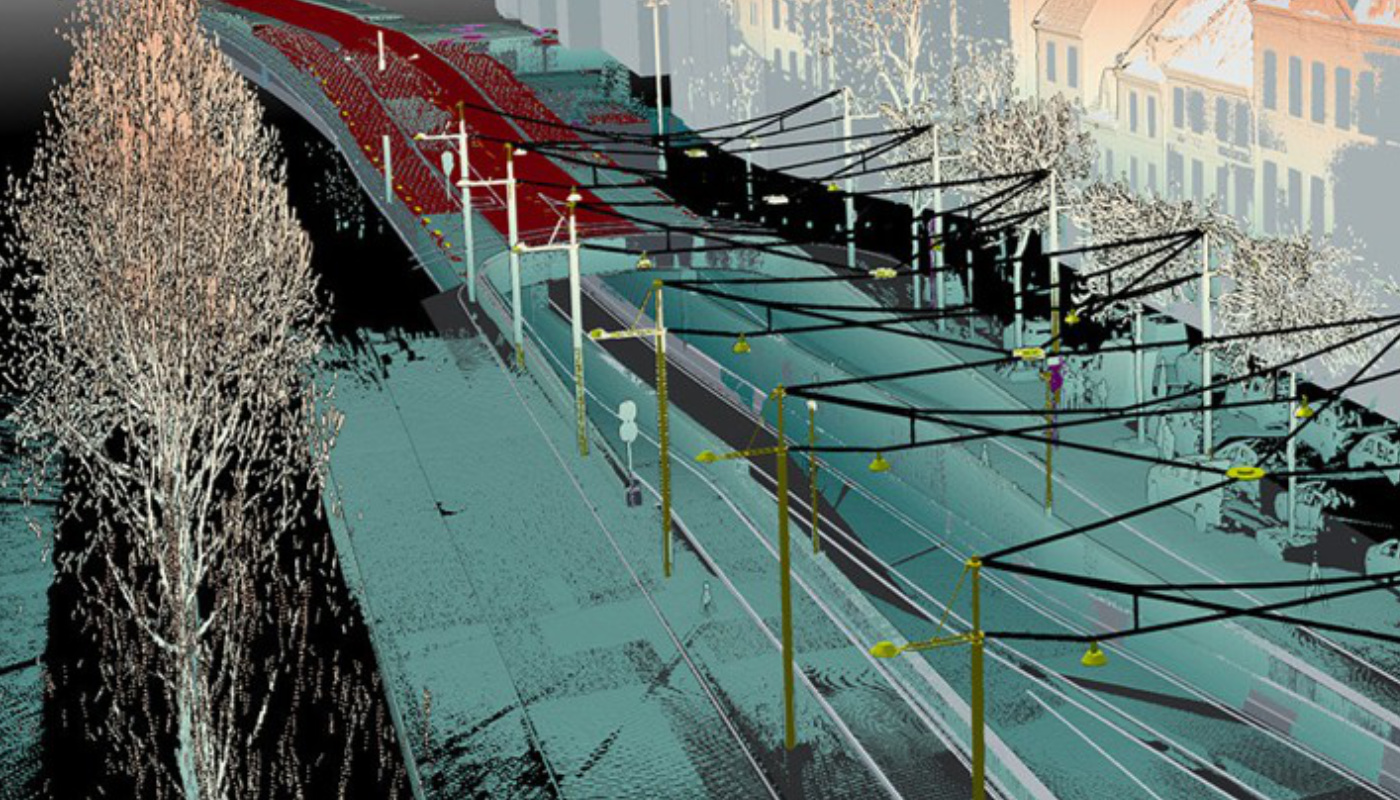
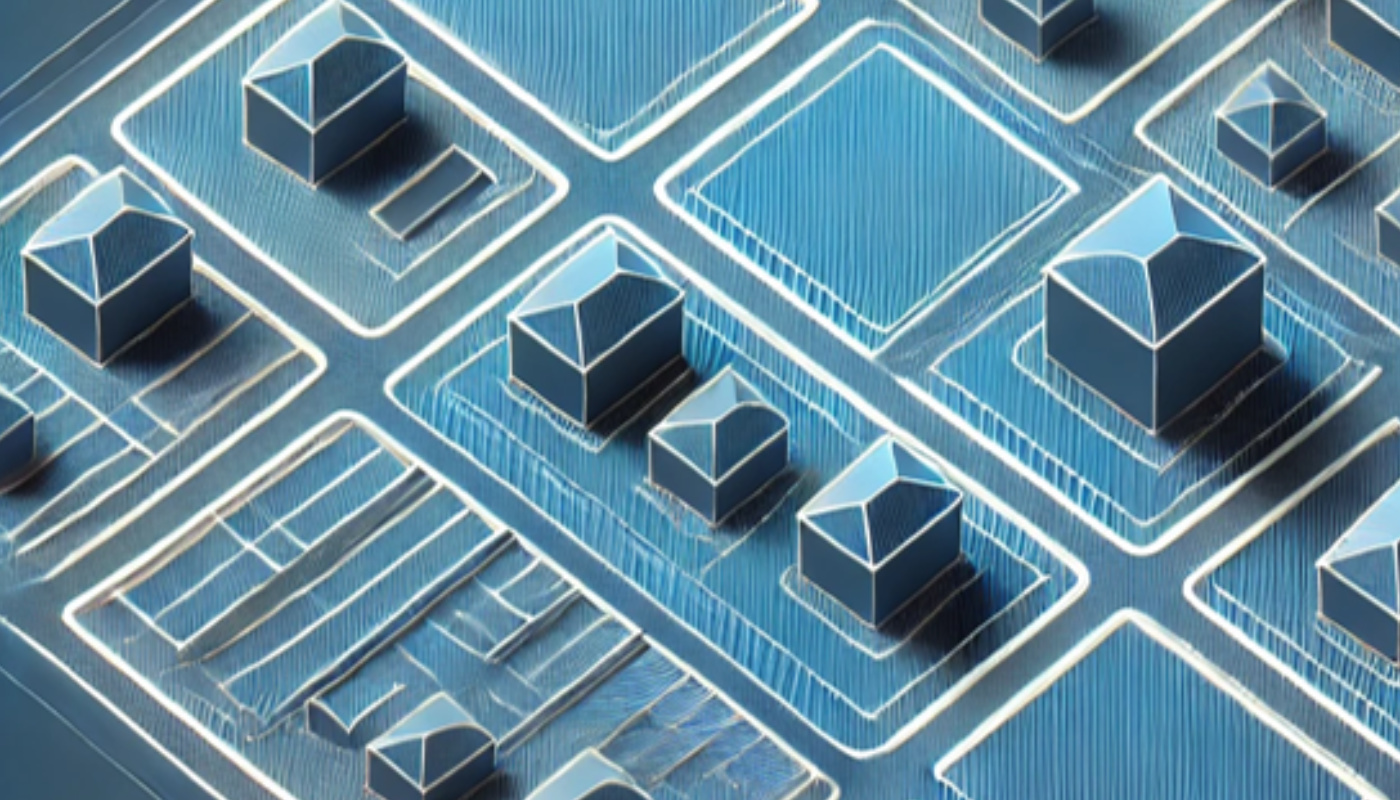
In geomatics, we focus on spatial data and infrastructure for geographic data modelling and dissemination, driving paradigm shifts towards various-scale geo–information and point cloud representations, and advancing the geo-information infrastructure to solve complex social, industrial and management problems in the built environment. Examples of applications include land administration information, navigation, and spatial simulations.

Overall

We sense, represent, design, optimize and fabricate the built environment in an integrated way. Our expertise includes

Artificial Intelligence Data Sensing Data Infrastructures 3D / 4D / Multidimensional Modelling Point Clouds Simulation Digital Twins Parametric Modelling Virtual Reality Robotics Additive Manufacturing
Digital Technologies in AET

About the Section

The Digital Technologies Section is part of the Architectural Engineering and Technology Department, which puts forward an engineering perspective on the integration of cutting-edge technologies in the design and production of the built environment. Each discipline at AET is engaged with using computational methods in their respective domain, contributing to AET’s overall digital capacity and knowledge base. The Digital Technology section brings in specialist knowledge in computational methods and computational design workflows, forming a strong, interdisciplinary group that bridges design and computer science.